Patterns in Transaction Selections by Card Enthusiasts Amid Overlapping Live Probability Updates in Team Sports and Track Events on Unified Platforms
Jordan Vogel · Aug 25, 2026
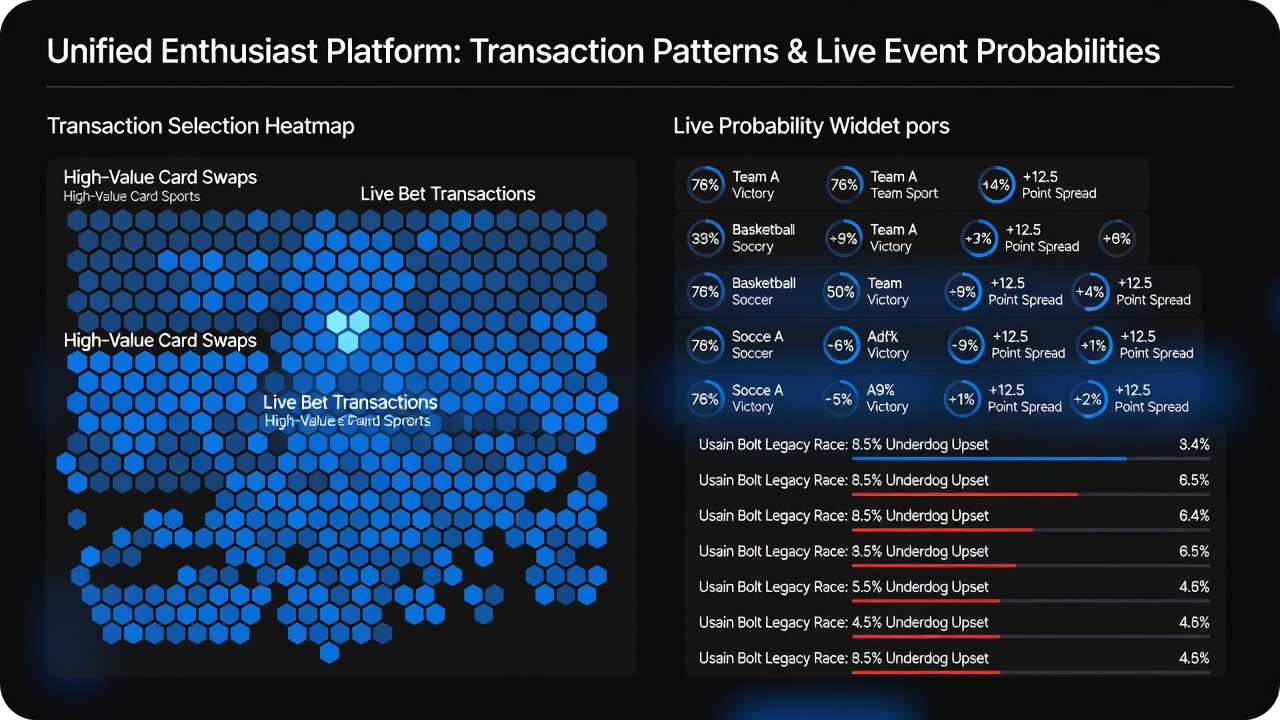
Patterns in Transaction Selections by Card Enthusiasts Amid Overlapping Live Probability Updates in Team Sports and Track Events on Unified Platforms
Unified platforms that combine team sports and track events now deliver live probability updates across multiple competitions at once, and card enthusiasts who participate in these environments often adjust their transaction selections in response to those overlapping feeds. Data from platform analytics indicate that users frequently shift between smaller, frequent transactions and larger, timed commitments when soccer matches and sprint events generate simultaneous probability changes. Researchers at academic institutions have tracked these behaviors through aggregated transaction logs, revealing consistent clusters where selections align with rapid updates rather than static pre-event lines.
Platform Integration and Live Data Flows
Operators structure their systems to pull probability feeds from separate leagues and athletic meets into single dashboards, which allows participants to monitor shifts without switching applications. According to reports from the Australian Institute of Family Studies, transaction volume on such integrated interfaces rises notably when events overlap in evening windows, with card enthusiasts showing distinct preferences for instant-confirmation options during those periods. The architecture supports real-time recalculations that affect displayed odds, and users respond by selecting transaction types that lock in values before the next update cycle completes.
Transaction Types Observed in Overlapping Windows
Card enthusiasts tend to favor transactions that settle quickly when probability streams from a basketball quarter and a relay heat intersect, because the rapid refresh cycles create short decision intervals. Studies compiled by the National Council on Problem Gambling document higher usage of micro-transaction features during these moments, while larger stake adjustments appear more often when one event reaches a natural break. Observers note that the pattern holds across different time zones, with August 2026 data showing similar distributions during international track meets that coincided with ongoing league play.
Payment method choices also vary under these conditions. Platform records indicate that digital wallet transfers see increased activity when multiple live probabilities update within seconds of each other, because the reduced processing latency matches the pace of information arrival. In contrast, card-based transactions remain steadier when users select them during slower update phases between events.
Behavioral Clusters Among Card Enthusiasts
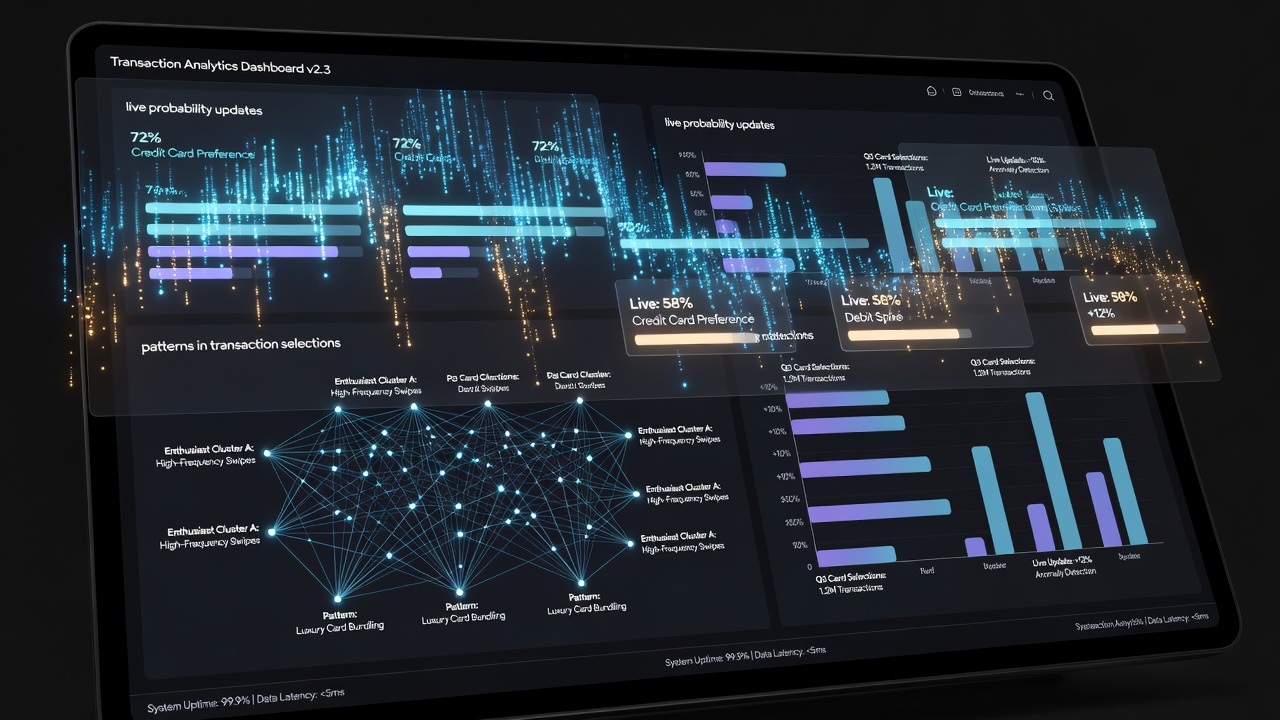
Analysis of user cohorts reveals that individuals with backgrounds in card games often apply pattern-recognition approaches to their transaction timing on unified platforms. They monitor sequences of probability adjustments across team sports and track events, then execute selections at points where the combined data streams reach temporary stability. Figures released by the European Gaming and Betting Association show that these users complete a higher proportion of transactions in the seconds immediately following clustered updates rather than during the peak volatility itself.
Geographic differences appear in the records as well. Participants in regions with established regulatory frameworks for digital platforms exhibit transaction patterns that align closely with scheduled breaks in the event calendars, whereas users in less regulated markets show more dispersed activity across the full overlap window. The August 2026 period provided additional data points when several major track championships aligned with league finals, confirming the persistence of these regional variations.
Data Sources and Measurement Approaches
Platform operators collect anonymized logs that researchers later aggregate to identify transaction clusters. Academic teams apply time-series modeling to separate the effects of single-event updates from those produced by simultaneous feeds. Results consistently point to elevated selection frequency for certain transaction sizes when card enthusiasts encounter parallel probability streams from team sports and track events. These measurements rely on timestamped entries rather than self-reported behavior, which reduces recall bias in the datasets.
Regulatory bodies in multiple jurisdictions require periodic summaries of transaction activity on licensed platforms, and those summaries supply additional context for the observed patterns. Cross-referencing with academic studies allows analysts to distinguish seasonal effects from event-driven responses. The resulting picture shows that overlapping live updates correlate with measurable shifts in how card enthusiasts allocate their transaction choices across available options.
Conclusion
Unified platforms continue to generate overlapping live probability updates from team sports and track events, and transaction selection data from card enthusiasts reflect consistent responses to those simultaneous feeds. Aggregated records from regulatory summaries, industry associations, and academic analyses document the timing, size, and method preferences that emerge under these conditions. As platforms maintain these integrated environments, the patterns identified in transaction logs provide measurable indicators of how users navigate concurrent probability streams.